
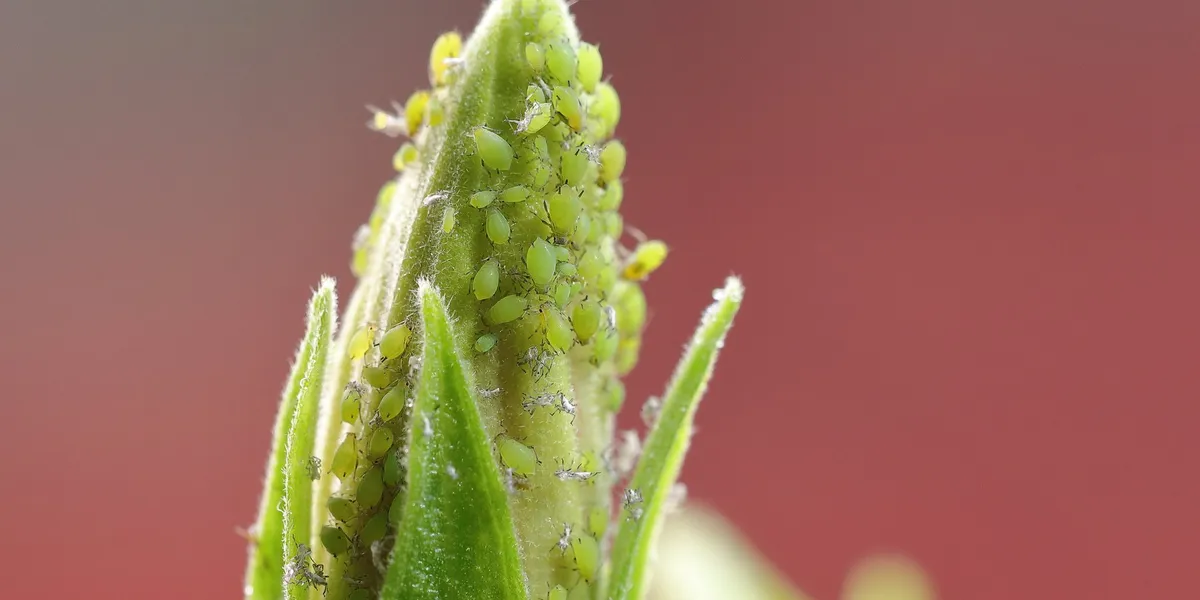
Farmers across Britain have been left facing what they describe as the worst aphid infestation in a quarter of a century.
The pest is threatening to destroy nearly a third of the nation’s lettuce crop before the season ends in mid-autumn.
The British Leafy Salads Association has warned that crisphead, romaine, and iceberg varieties face the greatest damage, with bright green lettuces particularly vulnerable compared to purple ones.
One grower in East Anglia anticipates losing three million heads this year, at a cost of roughly £1million.
Underscoring the unprecedented scale of the crisis, which has been described as biblical, the farmer said: “It’s the worst aphid infestation we’ve had in 25 years.”
This summer’s prolonged heat and arid conditions have proved ideal for the currant-lettuce aphid, fuelling its spread through every significant lettuce-producing area in the country.
The Midlands, East Anglia, the South East, and the North West have all been affected.
A spokesman for the BLSA said: “There have been extremely high levels of the currant-lettuce aphid, presenting a serious challenge for growers and affecting commercially significant volumes of lettuce crop. The pattern of the aphids’ growth is a peak in late June and again in August and September.”

Farmers across Britain are facing what they describe as the worst aphid infestation in a quarter of a century
|
GETTY
The pests strip crops of essential nutrients, rendering vast quantities of commercially grown lettuce unsaleable.
With the season running until mid-autumn, growers fear losses will continue to mount.
Previously, growers relied on neonicotinoid insecticides to tackle aphid outbreaks in lettuce fields.
That option has been largely unavailable since EU legislation prohibited the chemicals because they are lethal to honey bees.

The pest is threatening to destroy nearly a third of the nation’s lettuce crop before the season ends in mid-autumn
|
GETTY
The ban has left farmers with few effective tools to protect their crops.
The BLSA says research is underway to breed lettuce varieties capable of resisting aphid attacks, but the insects remain a moving target.
Aphids evolve rapidly and possess the ability to reproduce asexually, making them exceptionally difficult to outpace through conventional breeding programmes.
Britain’s anticipated closer alignment with EU regulations could also complicate efforts to export gene-modified crops to the Continent, though Brussels plans to update its framework by 2028.

The UK consumes approximately 200,000 tonnes of lettuce annually
|
GETTY
The UK consumes approximately 200,000 tonnes of lettuce annually, with imports accounting for around half of that total.
European lettuce harvests have also suffered from aphid damage this year.
Potato and pumpkin crops have also been hit hard by the drought, producing yields significantly smaller than usual.
Midges carrying the bluetongue virus have thrived in the warmer-than-usual weather, posing a serious threat to livestock.
The disease can cause fever, death, and infertility in cattle and sheep.


Leave a Reply