

Prison vans carrying defendants to court are set to receive priority treatment on congested roads, with access to bus lanes and traffic lights adjusted to give them a faster journey.
The measures, already tested in Manchester, Bristol, Salford, Nottingham and London, are being promoted nationally as part of government efforts to tackle severe delays in delivery people across England and Wales.
The Ministry of Justice and Department for Transport have written to local authorities urging them to introduce similar arrangements.
The aim is to prevent defendants arriving late for hearings, particularly during rush hour, when traffic congestion can disrupt court schedules.
The initiative forms part of a wider programme intended to reduce costly adjournments and prevent trials from being delayed or abandoned.
More than 80,000 cases are currently waiting in Crown courts, while the magistrates’ courts face a backlog of more than 380,000 cases.
Official figures show that more than 1,000 hearings were delayed last year because defendants did not reach court on time.
The disruption not only wastes court time, but can prolong the wait for victims and witnesses required to give evidence.
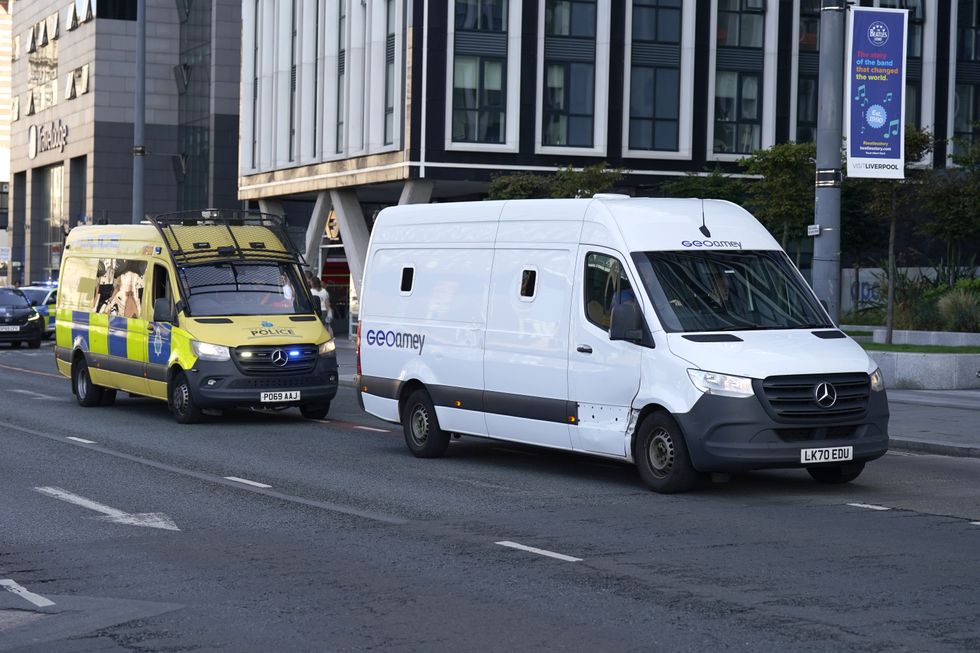
The measures, already tested in Manchester, Bristol, Salford, Nottingham and London, are being rolled out nationally
|
PAA dedicated bus route for prison vans between HMP Forest Bank and Manchester Crown Court has already reduced journey times by up to a third.
London has introduced a more sophisticated system, with aroud 300 traffic signals being adjusted to increase the chances of prisoner escort vehicles receiving green lights.
Sarah Sackman, the courts minister, told The Telegraph: “Victims should not be left waiting because a defendant is stuck in traffic. Giving prison vans access to priority bus lanes is a simple but practical idea that could save valuable time.
“Common-sense changes like this help court staff get on with the job and help victims see the swifter justice they deserve.”
The proposals follow recommendations by Sir Brian Leveson, the former Court of Appeal judge, who was asked by ministers to examine problems within the justice system.
His review found that late arrivals of defendants had resulted in more than 9,400 hours of delays across Crown and magistrates’ courts in the year to September 2025.
In one case, a court was losing half a day of sitting time every week because defendants were arriving late. A murder trial scheduled to last four weeks instead took almost eight weeks, with the defendant arriving late on most days.
Sir Brian argued that allowing prison vans to use bus lanes could reduce traffic-related delays and help prevent hearings from being adjourned or cases from collapsing.
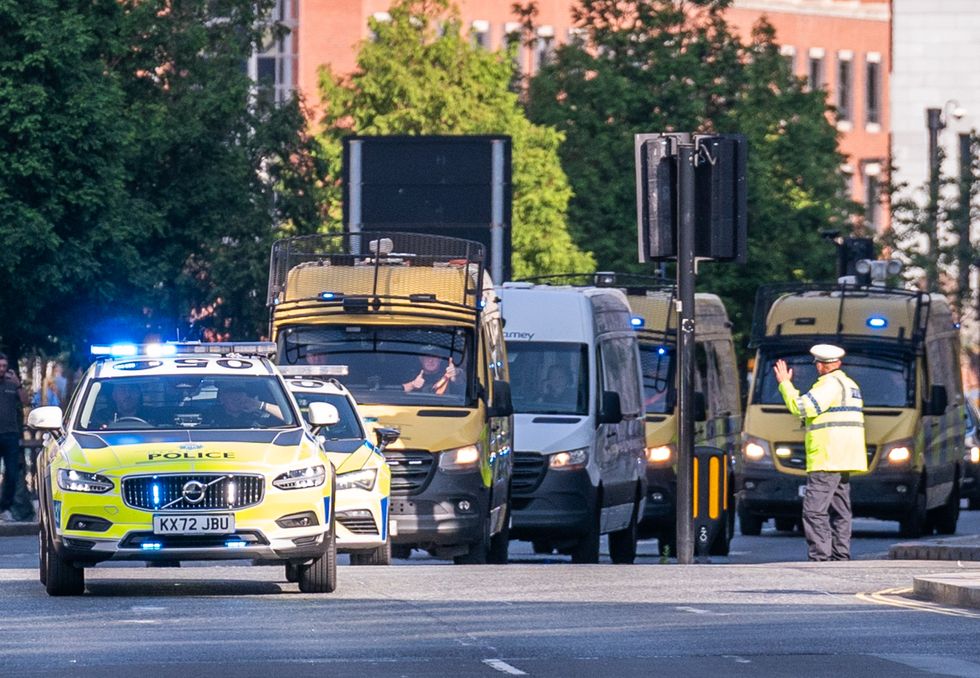
The Ministry of Justice estimates that applying similar savings across London’s backlog of 18,961 cases could save almost 53 days of court time
|
PA“I recommend that the Ministry of Justice work with the relevant authorities to make bus lanes across the country accessible to prisoner escort and custody services vehicles while they are actively transporting prisoners,” said Sir Brian.
London’s pilot scheme is also using traffic-signal technology on three routes.
The changes have cut journeys between HMP Belmarsh and the Old Bailey by an average of four minutes.
The Ministry of Justice estimates that applying similar savings across London’s backlog of 18,961 cases could save almost 53 days of court time.
Other pilot routes include journeys between HMP Wandsworth and Southwark Crown Court, and HMP Thameside and Inner London Crown Court.
Around 350,000 prisoners are transported to court each year, making the reliability of prison escort services a significant factor in the efficient operation of the justice system.

Leave a Reply