
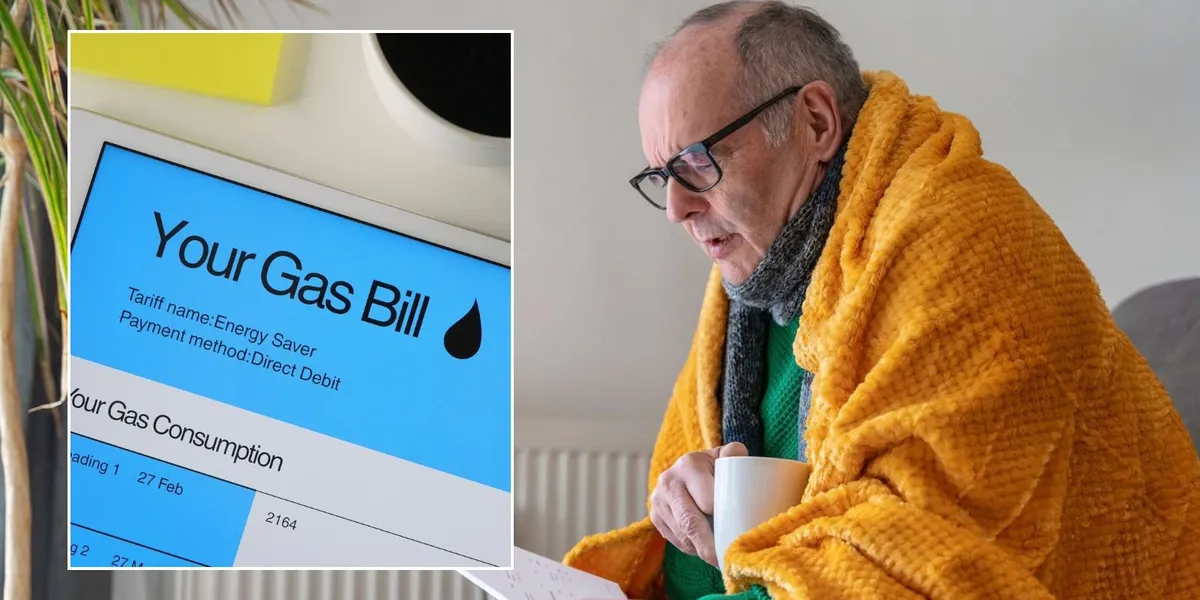
British households face the steepest energy bill increase in four years, with forecasters at Cornwall Insight projecting a 16 per cent jump that would push the average annual dual fuel bill to £1,999 from January 1.
The predicted rise of £276 compared with the October-to-December quarter would mark the sharpest increase since January 2023, driven primarily by the ongoing conflict in the Middle East.
The forecast lands just hours before Ofgem’s latest price cap adjustment takes effect on Thursday, bringing a four per cent uplift that will take the typical annual bill for households in England, Scotland and Wales to £1,723.
For those paying by direct debit, the change translates to roughly £5 extra per month, or £60 over a full year at the new rate.

Energy bills are to set to rise even higher in January 2027
|
GETTY
More than four million homes still on standard variable tariffs will feel the impact immediately, with the timing unwelcome as temperatures drop and millions begin firing up their central heating for the first time this season.
Average household energy spending is expected to climb from £109 in September to £145 in October, a jump of roughly a third driven by both greater consumption and higher unit rates.
Dr Craig Lowrey, principal consultant at Cornwall Insight, warned that the January increase would land at the worst possible moment.
He said: “These prices are going to hit households hard. January is already a difficult month for many, with cold weather and bank balances still recovering from Christmas, and now they face the biggest price cap rise we’ve seen in four years
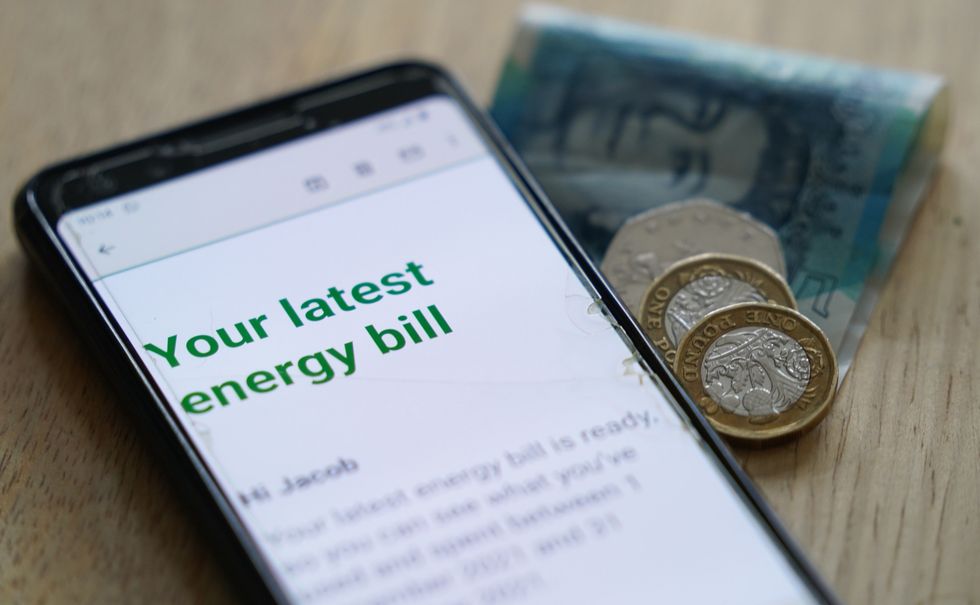 The new energy price cap will come into effect on Tuesday, October 1 | PA
Oil prices have spiked again as a result of the US-Iran war
|
GETTY / OIL PRICEOfgem is due to announce the next quarterly price cap, covering January to March 2027, in November.
Some relief arrives alongside Thursday’s price cap increase, with the removal of VAT from household electricity bills also kicking in on October 1.
The scrapping of the five per cent levy, which runs until March 31, is estimated to save the typical bill payer around £45 annually, though gas bills will continue to attract VAT at the standard rate.
The measure was among Prime Minister Andy Burnham’s earliest interventions after entering Downing Street, announced in July as part of efforts to ease pressure on family finances.
Dr Lowrey suggested the Autumn Budget on 28 October could bring further assistance for struggling households.”
He warned: “However, the Government is going to have to think carefully about the type and level of support that they make available.”
Comparison website Uswitch has encouraged customers without smart meters to submit readings to their energy supplier before the end of today, ensuring they are not billed at the higher rate for gas and electricity consumed prior to the price cap change.
National Energy Action chief executive Adam Scorer called on ministers to use the forthcoming Budget to deliver meaningful help for the most vulnerable.
“The Autumn Budget must deliver additional targeted support for households most at risk this winter, alongside action to tackle energy debt and improve the least energy efficient homes,” he said.


Leave a Reply