
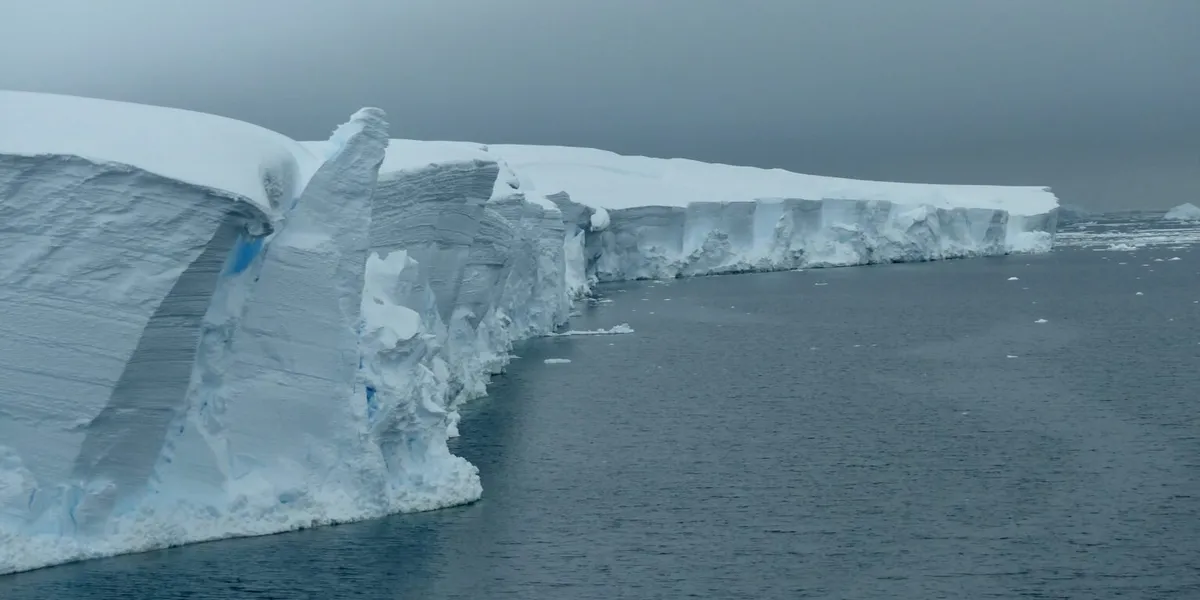

Melting processes within the grounding zone are hastening the glacier’s separation from this stabilising ridge, with the model placing the probability of full detachment at 60 per cent before 2100. Should that disconnection occur, the consequences would be severe.
“Once that ridge is unpinned, the glacier will continually retreat across a predominantly retrograde seafloor toward its next topographic high, the South Ridge,” Mr Poinelli explained.
The underlying terrain compounds the danger considerably. The bedrock beneath Thwaites slopes downward as it extends inland, meaning that each phase of retreat exposes ever greater volumes of ice to erosive warm water, a self-reinforcing cycle that could dramatically accelerate the glacier’s disintegration once the ridge connection is lost.
Eric Rignot, professor of Earth system science at UC Irvine and co-author of the paper, said the revised model represents a step change in accuracy.


Leave a Reply