
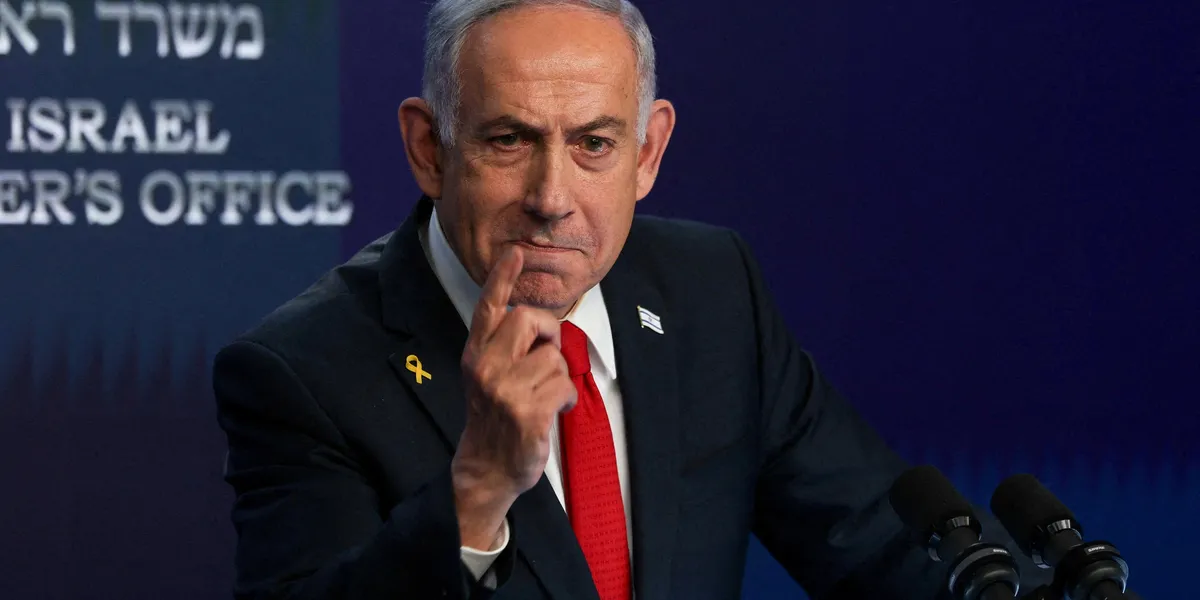
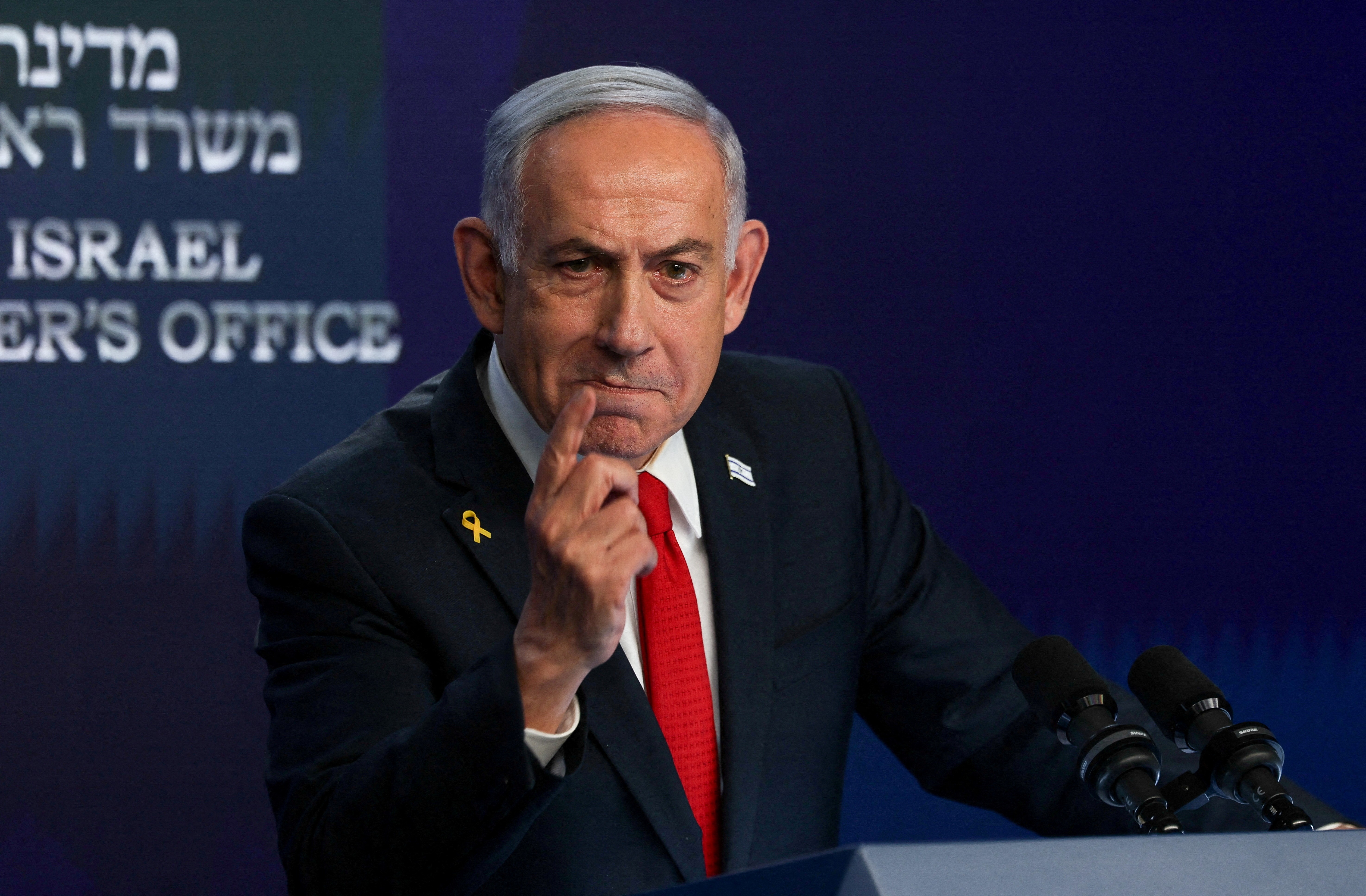
Indeed, that might explain why Netanyahu was forced to form his right-wing coalition in the first place.
Despite somewhat deranged claims to the contrary, Israel is not turning into a dictatorship under Netanyahu or anyone else.
When one’s premiership depends on negotiating a coalition of half-a-dozen diverse, fractious, cantankerous party leaders all playing hardball, the merest thought of authoritarianism would seem preposterous.
So, does the result matter to those outside of Israel?
Some have called it the most pivotal election in the country’s history.
Maybe for Israelis; not so much to others. The reality is that what divides Israelis (e.g. the power of the judiciary, ultra-orthodox army service, or responsibility for October 7 massacre) does not matter much to the rest of the world.
And on the issues that do matter to the rest of the world, namely security, there is relative unity within Israel.
There is, however, a difference when it comes to effectiveness and presentation.
Eisenkot is inexperienced, speaks little English and lacks diplomatic finesse or Netanyahu’s international connections – especially important in the United States.
Although Netanyahu has become something of a hate figure in certain circles, mainly among left-wing, Islamic and corrupt regimes, his relations with right-leaning governments worldwide are extremely warm.
In short, this election has been a contest more of style and personality than world views.
What comes next?
The obvious options are: Netanyahu pulls off another unlikely coalition; he acts as a caretaker prime minister until new elections are held or the two main leaders unite in a grand coalition.
The latter might seem unlikely despite popular support for it.
But there is a wild card: Donald Trump.
Having endorsed “Bibi”, Trump may want a familiar face by his side in the event of renewed attacks on Iran.
He might quietly pressure the inexperienced Eisenkot and others to fall into line and join a national government without the hard right.
Most parties view a nuclear-armed Iran as an existential threat and the US as an essential ally in defeating it, so Trump will have some sway.
Britain and other Western democracies would do well at least to voice tacit support for any alliance that is willing to fight the Islamist regime.
There is another reason why Trump might weigh in. If he loses the US Congress in the mid-term elections, his best hope of securing his legacy will be in foreign policy.
With Russia -Ukraine peace seemingly elusive, the more likely and perhaps grander achievement would be “peace in the Middle East”.
The so-called “Two State Solution” (a Jewish state and a Palestinian state living peacefully side by side) has been effectively dead for decades, notwithstanding the ineffectual and unrealistic efforts of Andy Burnham and European Union leaders to revive it.
Yet there is an alternative peace path – the Abraham Accords.
Trump and Netanyahu have already persuaded the UAE, Morocco, Bahrain and Sudan to make peace with Israel in 2020.
Syria, Lebanon, and most importantly Saudi Arabia are potential signatories.
The UK Government, rather than apply petty and counterproductive sanctions on Israel – that will only harm British interests by undermining essential technology, military and intelligence sharing – should instead support an ally and get behind efforts to expand peace treaties across the region, whatever government eventually emerges in Jerusalem.