Hackers have targeted French blood banks in the latest in a series of cyberattacks throughout Europe.
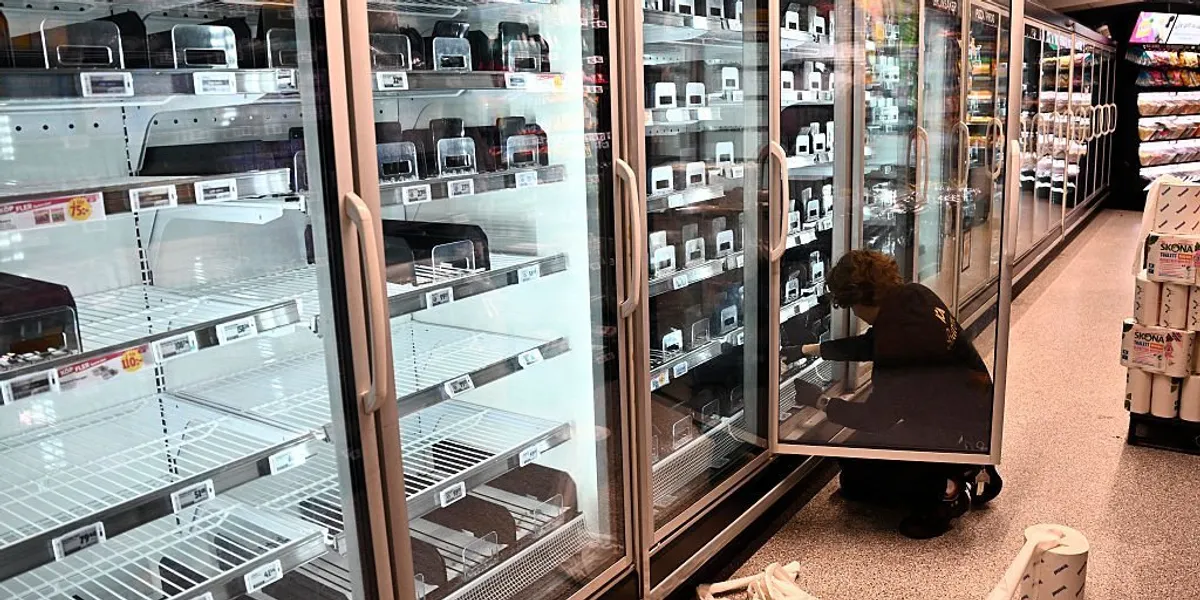
Between Sunday and Monday, it was revealed that supermarket fridges in eight European countries had been tampered with, forcing stores to throw out hundreds of thousands of pounds worth of food.
It has now emerged that refrigerators at three regional blood banks were targeted by a hacking group, which has yet to be identified.
France’s health ministry said in a statement: “Several regional facilities of the French Blood Establishment (EFS) were affected by a cybersecurity incident that impacted certain cold storage room monitoring and control systems.”
The blood bank added that “temperature and defrost thresholds were raised to very high levels”.
A spokesman for the organisation, Charley Dubois, said blood supplies were unaffected and no products were lost.
She continued: “We have staff round the clock since blood can be needed at any time. They were warned about the problems by alerts and moved the blood to other refrigerators that were not connected.”
EFS said the attacks targeted one of its providers.

An investigation is underway to determine the source of the attack, but in a statement, EFS said it could not yet identify the origin of the cyberattack.
The products stored were bags of plasma intended for transfusions and plasma used to manufacture medicines.
On Tuesday, the National Cyber Security Centre (NCSC) said some suppliers in the British meat processing industry had been hit with cyberattacks.
A spokesman for the body said it was “aware of a small number of UK organisations that may be affected by this incident”.
The NCSC, part of spy agency GCHQ, has also warned that artificial intelligence was “helping to industrialise cyber attacks” as it began working with British retailers to shore up defences.
LATEST DEVELOPMENTS
- Ketchup sachets SAFE from EU diktats but Labour says any ban ‘would be our choice’
- Britain’s national security at risk amid fears TalkTalk could crash into administration within days
- British experts design AI missiles that can protect UK from Russia with ‘mini Iron Domes’

Ciaran Martin, the former chief executive of the NCSC, told GB News it was incredibly unusual “to be faced with a really significant cyber attack and have absolutely no idea who is behind it”.
He added that it was unlikely to be a criminal organisation because there was no ransom, and unlikely to be a “glory-seeking teenage hacker”, as no individual has come forward to claim the attack.
So far, there is no indication it was a hostile state, Mr Martin said, but if it was, their aims remain unclear.
“Hostile states tend to want to send signals,” he said. “And what signal are they sending? So it’s a very, very confusing one.”
Lt Col Stuart Crawford, writing for GB News, has warned that Britain’s adversaries could cripple Britain’s resources without firing a single shot.
He wrote: “Last month’s attack on refrigeration systems across hundreds of French supermarkets demonstrated the physical consequences of digital sabotage. One supermarket executive estimated nationwide losses could reach tens of millions of euros.”
The military veteran said Labour was “paying lip service to national security and resilience” while maintaining a status quo of decline.
“Successive governments have found it politically easier to prioritise benefits and welfare than to explain why defence and emergency preparedness require sustained expenditure,” he added.
“Responsibility extends across parties, but this government must answer for the decisions it makes now.”
Our Standards:
The GB News Editorial Charter